
Interior vs External Shading: What Is the Difference?
Interior and external shading manage sunlight on different sides of the glazing. The appropriate approach depends on façade orientation, the glass, the required indoor comfort and the exposure of any external system.
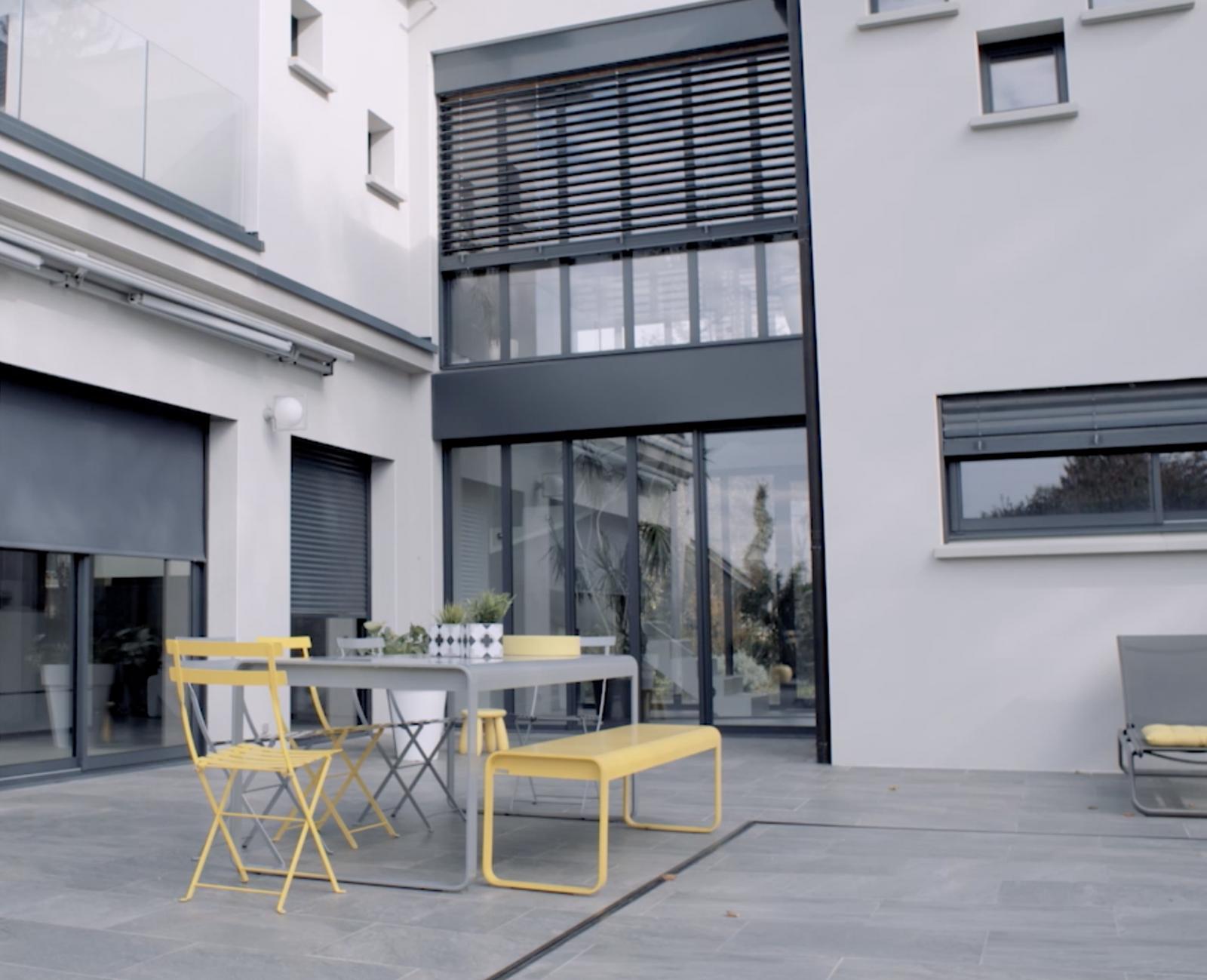
External shading intercepts sunlight before the glass
External Venetian blinds and external screens act before direct sunlight reaches the glazing, so they can be an effective part of limiting solar heat gains. Their performance still depends on the elevation, glazing, product, colour and operating strategy.
Interior shading manages visual comfort
Interior roller blinds, screen blinds, Venetian blinds and curtains control glare, privacy and the distribution of daylight from inside the room. They are generally easier to reach for fitting and maintenance, but they act after solar energy has passed through the glass.
External exposure changes the specification
Wind, rain, ice, façade fixings and maintenance access form part of any external-shading decision. Inside, window opening, radiators, furniture and the interior scheme become the main constraints. The two approaches can also be combined where their different functions are both required.
Compact comparison
Where each approach is strongest
- External shadingIntercepts sunlight before the glazing and is coordinated with the façade for solar-heat control.
- Interior shadingProvides accessible control of glare, privacy and the atmosphere of the room.
Quick selection guide
Which option is suitable, and when?
Related solution