
A Practical Guide to Curtain Heading Styles
Compare curtain headings by the way they shape the fabric, work with the track or pole, establish a visual rhythm and suit the scale of the window. The same fabric can look markedly different with another heading and fullness.
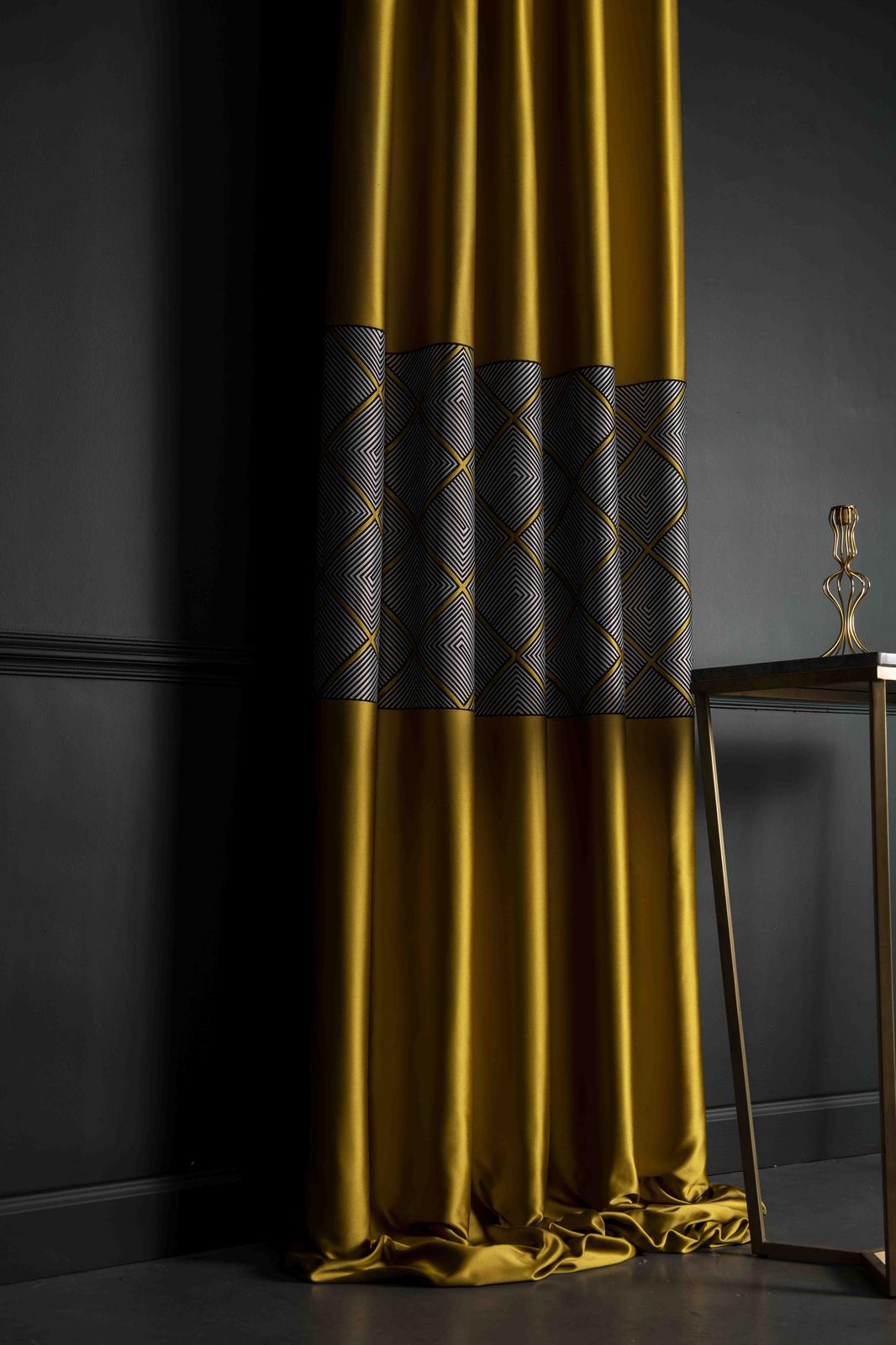
Regular waves and tailored pleats
A wave heading uses a compatible track and evenly spaced gliders to form a regular front-to-back curve. Gathered, pencil-pleat and pinched headings create more visible volume and making detail at the top of the curtain. Choose the character in relation to the room rather than in isolation.
How the fabric changes the heading
Fine sheers produce a light, translucent rhythm, while heavier curtain fabrics create fuller volume and deeper shadow. A deep heading can interrupt a large pattern repeat, and stiff, thick or coated fabrics may not fall fluidly with every heading style.
Track, glazing and stack-back
Wave curtains require a compatible track and glider arrangement; traditional headings can work with suitable hooks on a track or curtain pole. For wide glazing and double-height spaces, calculate the scale of the folds, the stack-back when open and the pocket depth required for multiple layers.
Compact comparison
How common heading styles differ
- Wave headingA calm, continuous curve requiring the correct track, glider spacing and pocket depth.
- Gathered or pencil pleatSoft, adjustable fullness often used for sheers and everyday curtain schemes.
- Single, double or triple pinch pleatA more tailored heading with defined folds; fabric use and stack-back may increase.
- Eyelet headingThe heading and pole remain visible, so pole diameter, eyelets and fabric weight must be considered together.
Quick selection guide
Which option is suitable, and when?
Related solution