
How to Plan Layered Window Treatments
A layered window treatment is not simply several products at one window. It assigns daylight, evening privacy, solar control and decorative framing to the most appropriate layers. Sheers, full curtains and blinds need to be planned together with measurements, tracks and the way the room is used.
Last updated: 10 August 2026
What is a layered window treatment?
In a layered scheme, decorative and practical requirements are not forced onto one product. A fine sheer can soften daylight, a full curtain can frame the window and provide evening privacy, while a roller, screen or blackout blind can deliver more precise light control.
Consider every layer open, partly closed and fully closed. As the number of layers increases, track depth, stack-back and the sequence of operation become more important; a single photograph of the closed scheme is not enough.
Sheer and full curtains
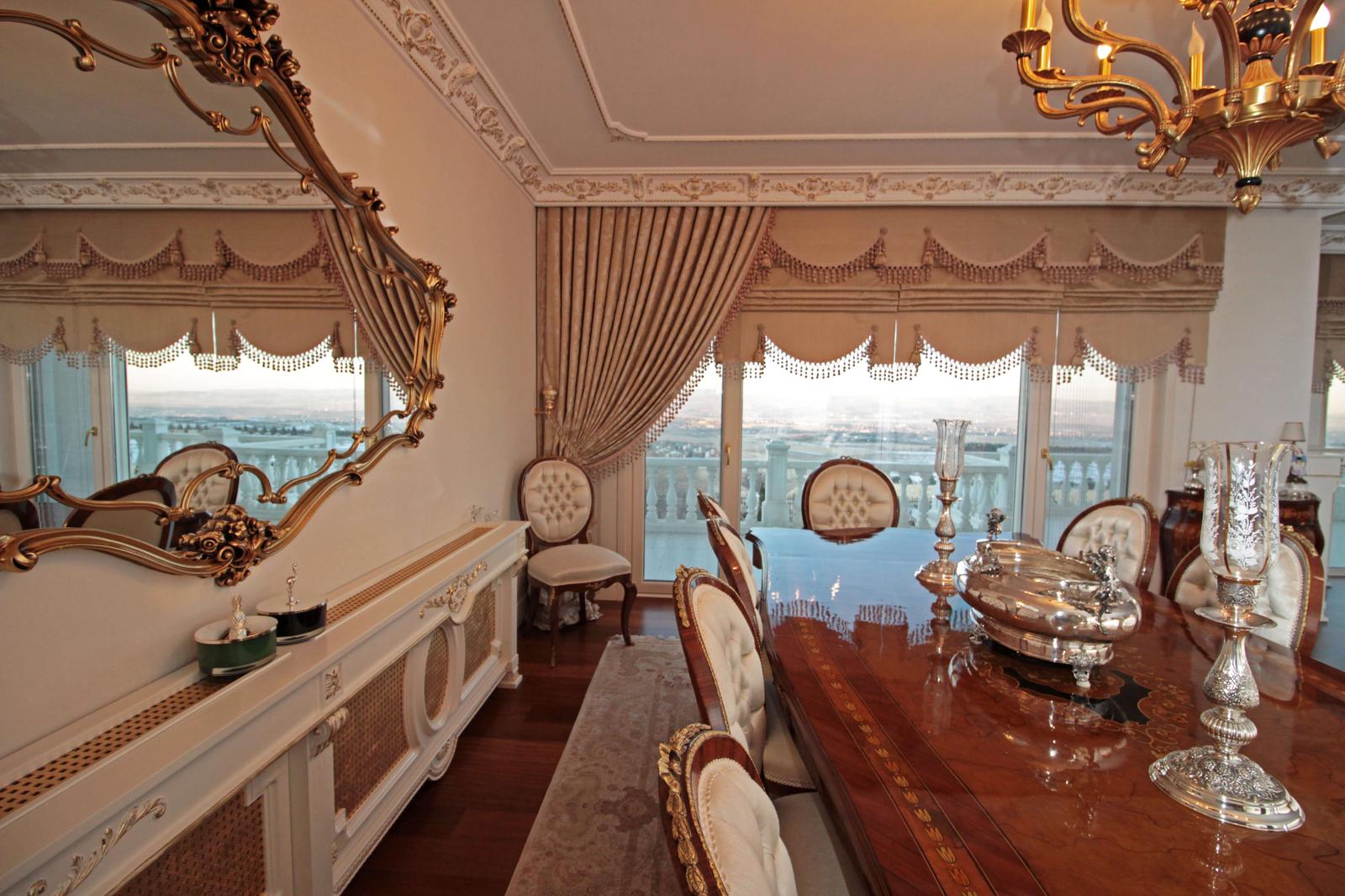
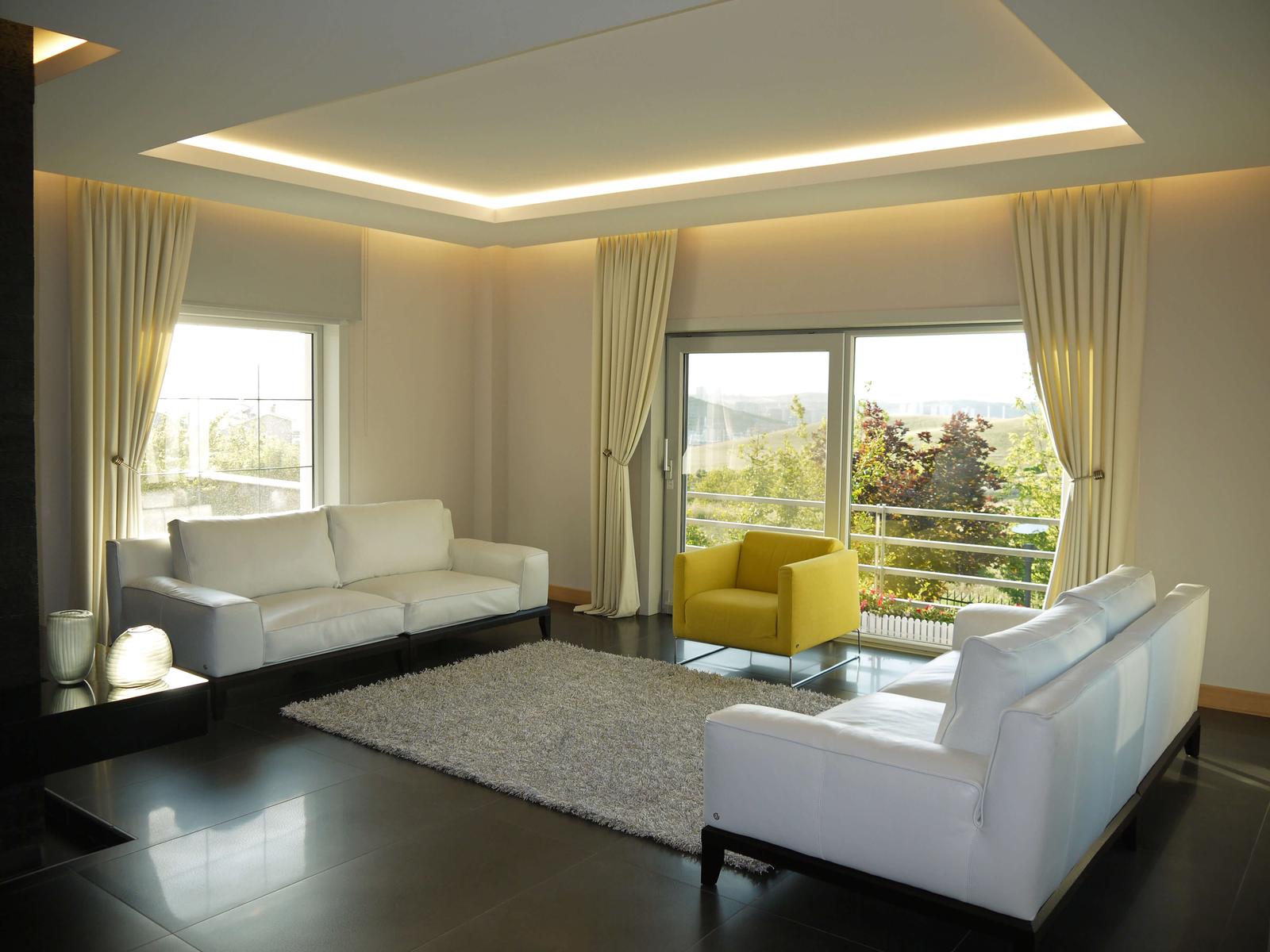
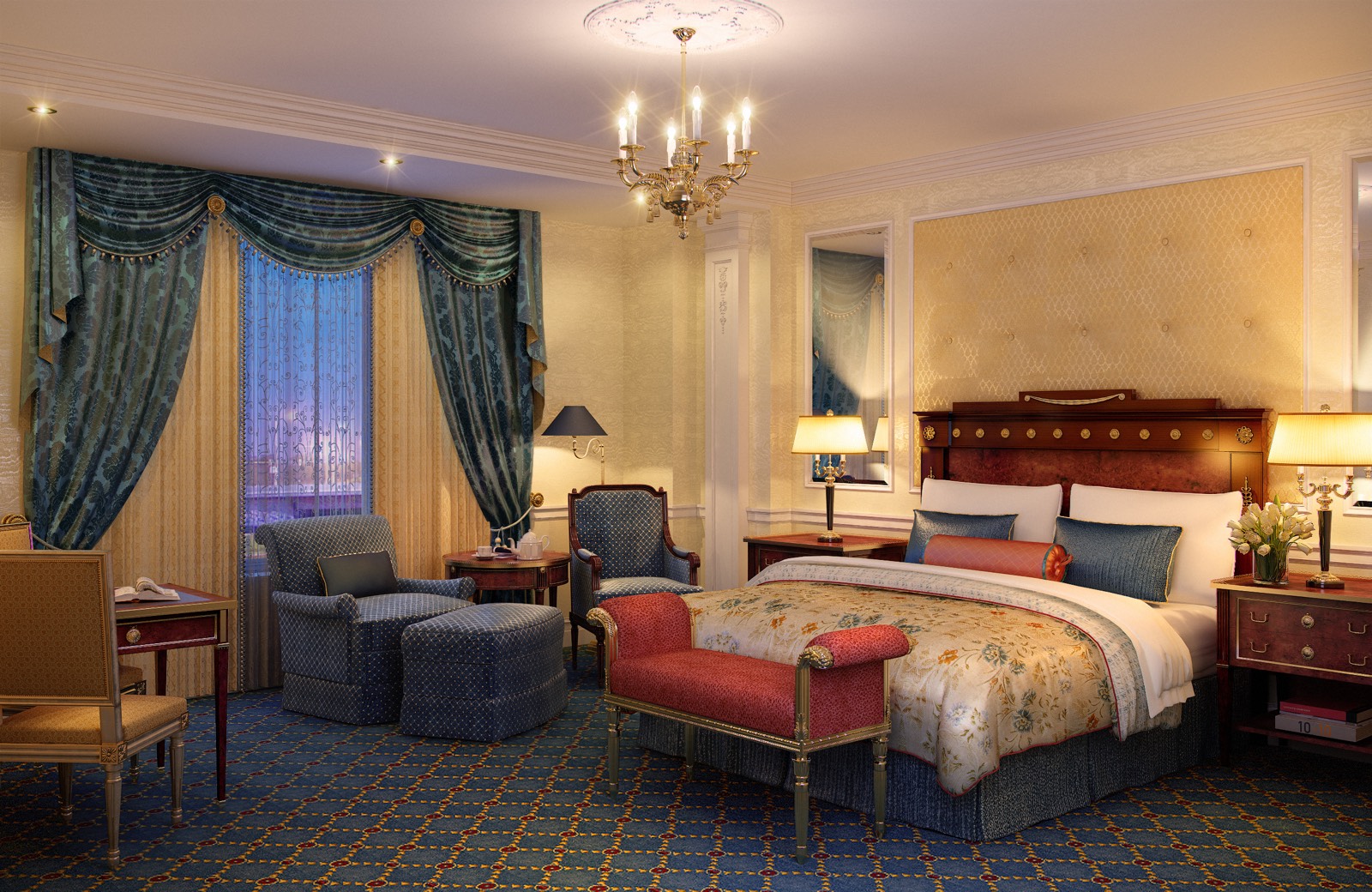
This is the most familiar layered arrangement: the sheer filters daylight and the outer curtain closes for privacy and frames the opening. Weight, heading and the space occupied at the window matter as much as colour.
If both fabrics have almost the same density, their roles may become unclear. Choose each for a distinct purpose while keeping their texture and undertone in a coherent relationship.
Sheer curtains with a roller blind
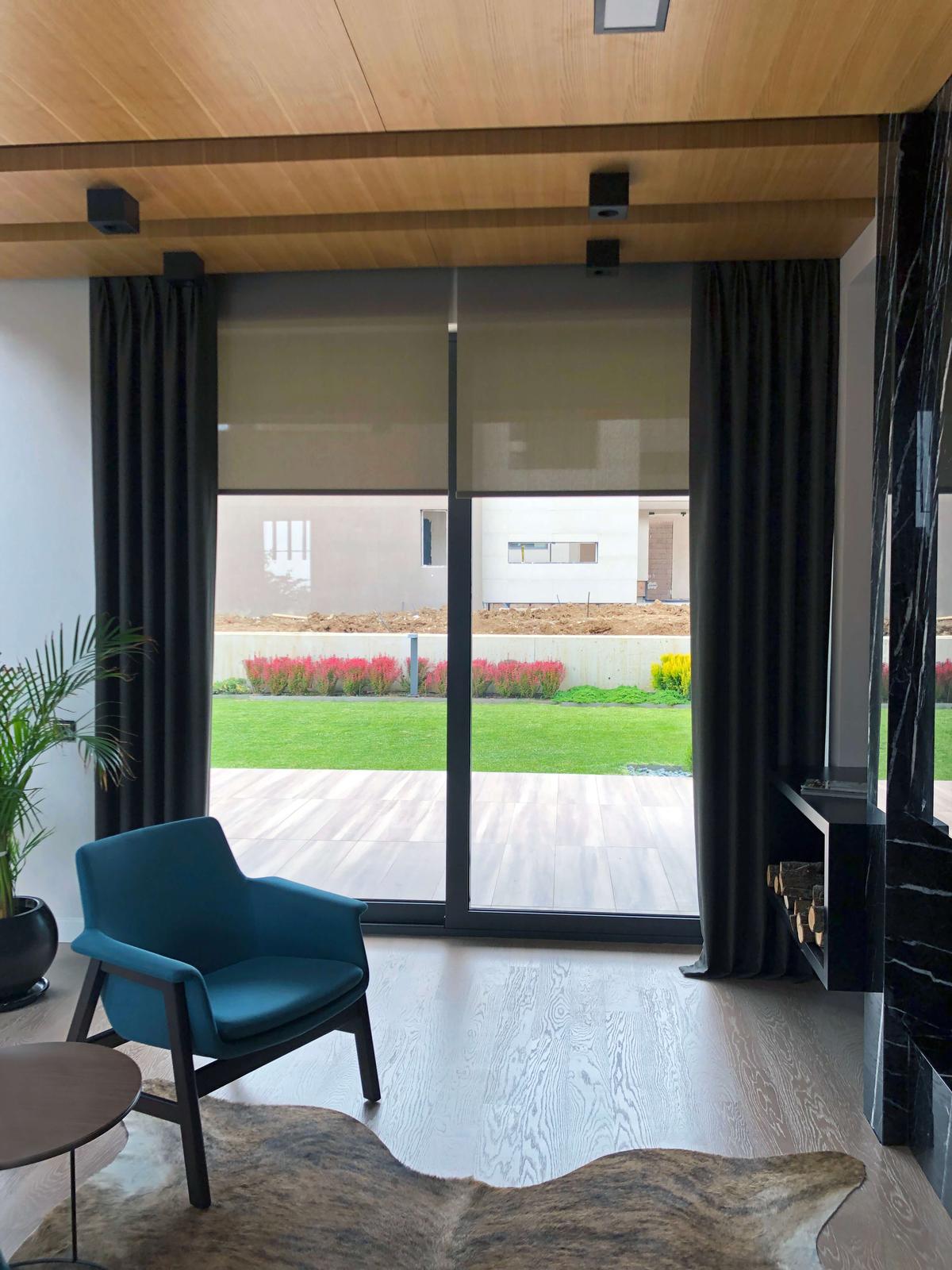
The sheer retains a soft textile surface while the roller blind closes more firmly when greater privacy or light control is needed. Position the roll and headbox behind the sheer with enough depth to avoid opening sashes and handles.
Check the roll size when raised, its visibility through the sheer and access for maintenance. Adding a second system makes accurate survey and fitting more important, not less.
Sheer curtains with a screen blind
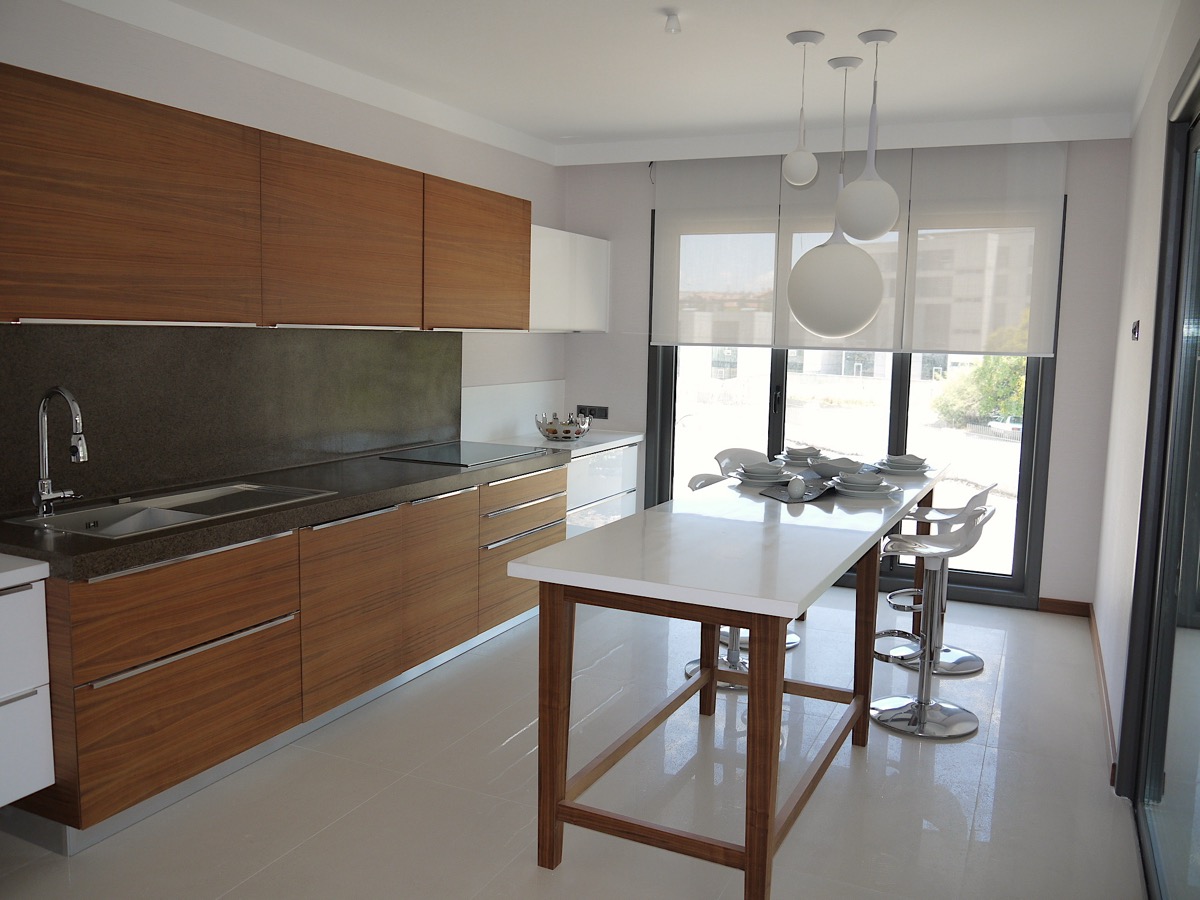
A screen fabric can help manage glare and solar gain while retaining an outward view according to its openness factor. The sheer provides a softer decorative surface on the room side.
These layers do different jobs. Select the screen for the façade, view and verified performance; select the sheer for diffusion of light and the textile character of the room.
Sheer curtains with a blackout layer
In bedrooms or spaces requiring strong room darkening, the sheer can serve daytime use and the blackout layer the night-time or sleep setting. The blackout element might be a full curtain, roller blind or suitable pleated blind, but its product name alone does not guarantee the result.
Edge gaps, the headbox, side channels, window geometry and fitting all affect light leakage. Allow enough depth so that the layers do not rub or trap one another.
Separating the curtain from the blind
A full curtain can provide the decorative frame, a softer acoustic feel and privacy, while a blind offers more precise light control. Giving each a clear purpose can reduce the need to move the full curtains continually.
Keep the blind’s headbox, chain, motor or controls accessible behind the curtain. Stack-back must not press on the mechanism, and moving curtain fabric must remain clear of any motorised blind.
Daylight and evening privacy
During the day the usual aim is to manage glare and the view into the room without excluding useful daylight. Once the interior lights are on, the privacy offered by a sheer may fall sharply and a denser second layer may be required.
The value of layering lies in moving between these conditions. Consider aspect, neighbouring buildings and hours of use rather than judging privacy from a daylight showroom display alone.
Layering across large glazing
Wide glazing requires more fabric, longer tracks and more stack-back. Keep the view and doorways clear when sheers and full curtains are open; for roller and screen blinds, allow for roll diameter and any motor capacity limits.
Manual operation may become heavy and multiple panels difficult to coordinate. Motorisation and grouped control can improve use, but the power and track arrangement must be resolved before building work is complete.
Bedrooms, living rooms and villa interiors
Bedrooms often prioritise room darkening and privacy, while living rooms may place more emphasis on daylight, outlook and visual continuity. Do not copy the same sheer-curtain-screen combination into every room without defining its daily use.
In villas and open-plan interiors, several elevations may be visible together. A shared fabric or track language can maintain continuity while the functional layer changes according to sun and overlooking on each elevation.
Layering motorised systems
Motorised sheers, full curtains, roller blinds and screens may be controlled separately or in groups. Different settings for morning light, evening privacy and solar shading can simplify daily use, particularly on large glazing.
Each motor, load, direction of travel and control system must be compatible. Coordinate wiring, power, motor access and any verified smart-home integration before ceiling and window work is finished.
Plan tracks, headboxes and headings from the outset
Resolve the number and spacing of tracks, curtain-pocket depth, blind headbox and lighting clearance in the same section detail. Too little depth can make fabrics rub or leave the mechanism exposed.
Adding every possible treatment is not good design. If a layer has no clear purpose, simplify the composition and retain only what the measurements, maintenance access and daily operation can support.

Quick selection guide
Plan each layer around its purpose
- Write the scenariosDecide which layer operates in daylight, after dark and during direct sun.
- Resolve the sectionCheck tracks, headboxes, curtain pockets and stack-back in one coordinated detail.
- Keep operation simpleGive each layer a clear purpose and remove unnecessary duplication.
Related solution