
Contemporary Curtain Design: Enduring Directions
Contemporary curtain design is not simply a matter of choosing the latest colour or style. Texture, the way fabric responds to light, heading, track design and ease of use all need to work with the architecture of the room.
Last updated: 10 August 2026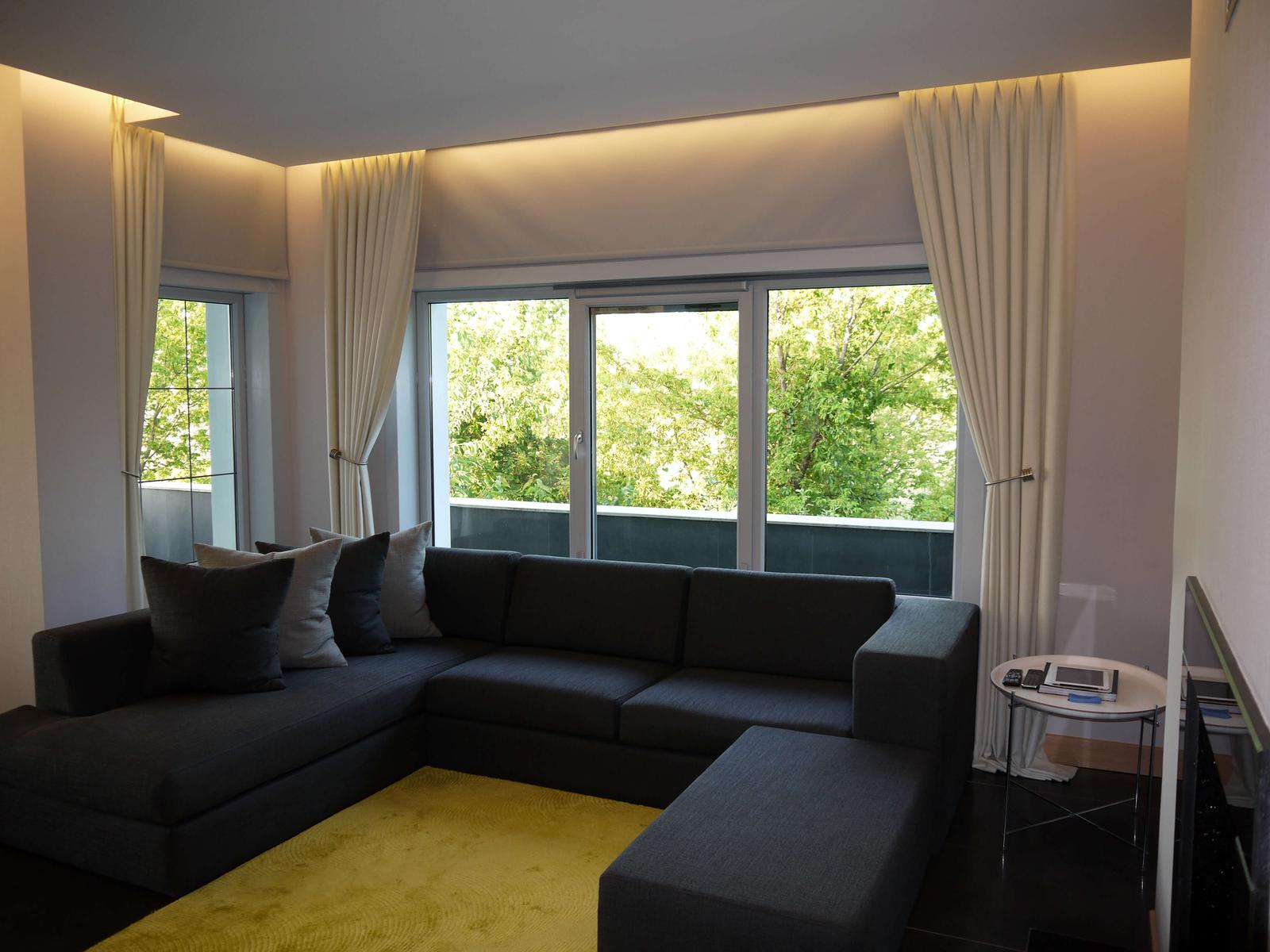
What does contemporary curtain design mean?
Contemporary design is less about a seasonal list of trends and more about choices that calm the architecture, manage light well and make everyday use easier. Fabric, colour, heading, track and automation belong to the same interior composition rather than acting as unrelated accessories.
A current look is therefore not created by colour alone. How the curtains respond to the window proportions, ceiling line, furniture and daily routine determines whether the result will continue to work well.
Natural-looking and textured fabrics
Linen, linen blends and natural-looking textures can soften daylight and add depth to otherwise flat surfaces. Slight irregularities and matt finishes bring warmth without making the scheme overly decorative.
Appearance alone is not evidence of quality. Check fibre content, weight, drape, creasing and care against the technical data and a physical sample, because two visually similar fabrics can behave very differently once made up.
Warm neutrals and considered use of colour
Off-white, sand, stone, taupe and warm grey provide a quiet background for timber, stone and textured upholstery. Where colour is wanted, it can be introduced in a full curtain, trim, piping or another textile layer that is easier to change.
A lasting choice comes from viewing the sample in different daylight and at different times of day. The separate colour guide explains this process in more detail.
Layering sheers and full curtains
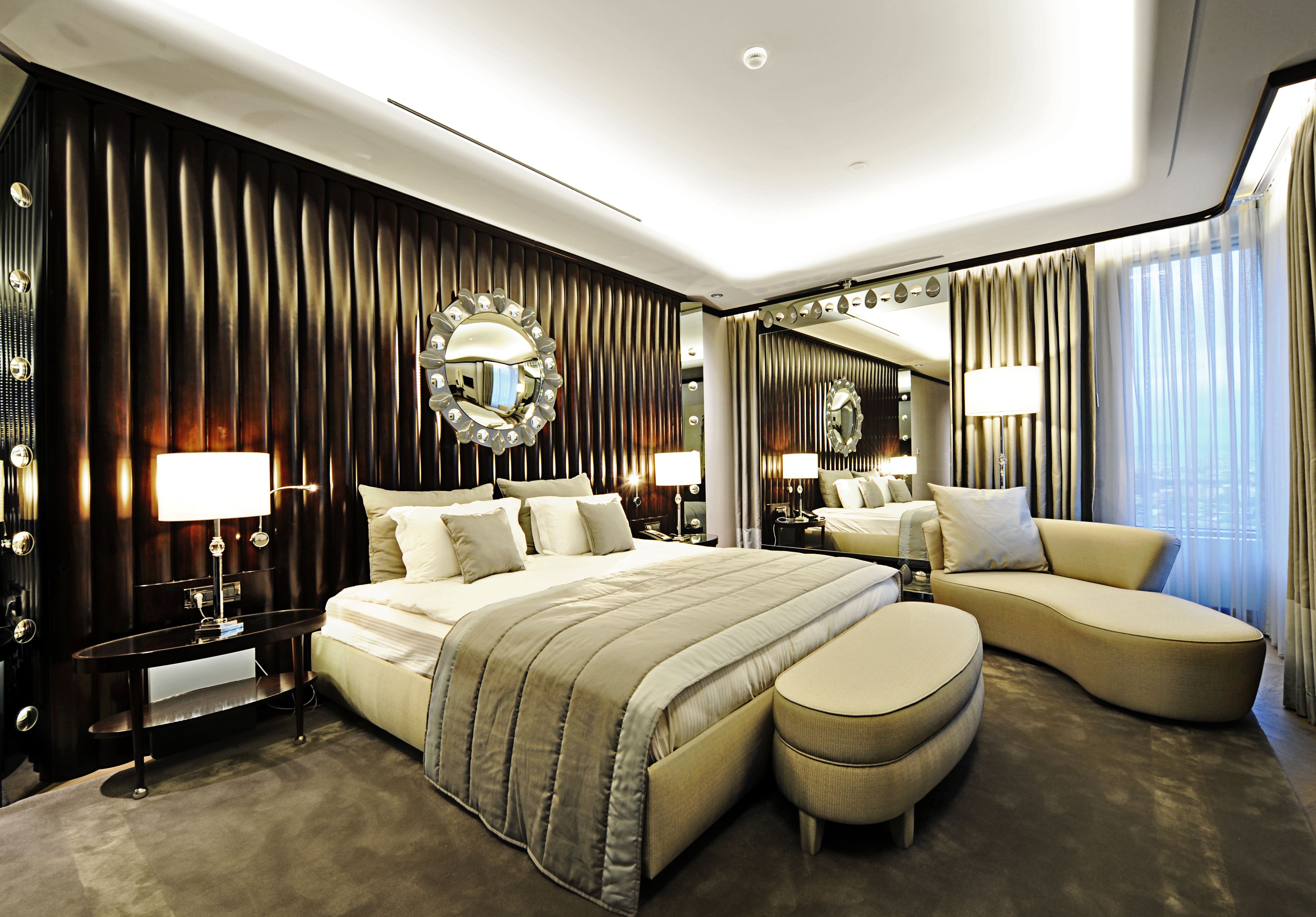
A sheer and a full curtain allow soft daylight and evening privacy to be managed separately. The sheer filters the light; the outer curtain frames the window and may provide a denser closing layer when required.
Plan weight, heading, track depth and stack-back as carefully as colour. Check how the layers overlap and how much of the glazing they occupy when open before production begins.
Wave headings and a regular drape
A wave heading uses a compatible track and glider spacing to produce an even front-to-back curve. It is particularly effective in simple floor-to-ceiling schemes where a controlled rhythm is part of the design.
Not every fabric forms the same wave. Thickness, softness, pattern repeat and fullness all alter the result, so the combination should be checked with a sample and the actual dimensions.
A floor-to-ceiling approach
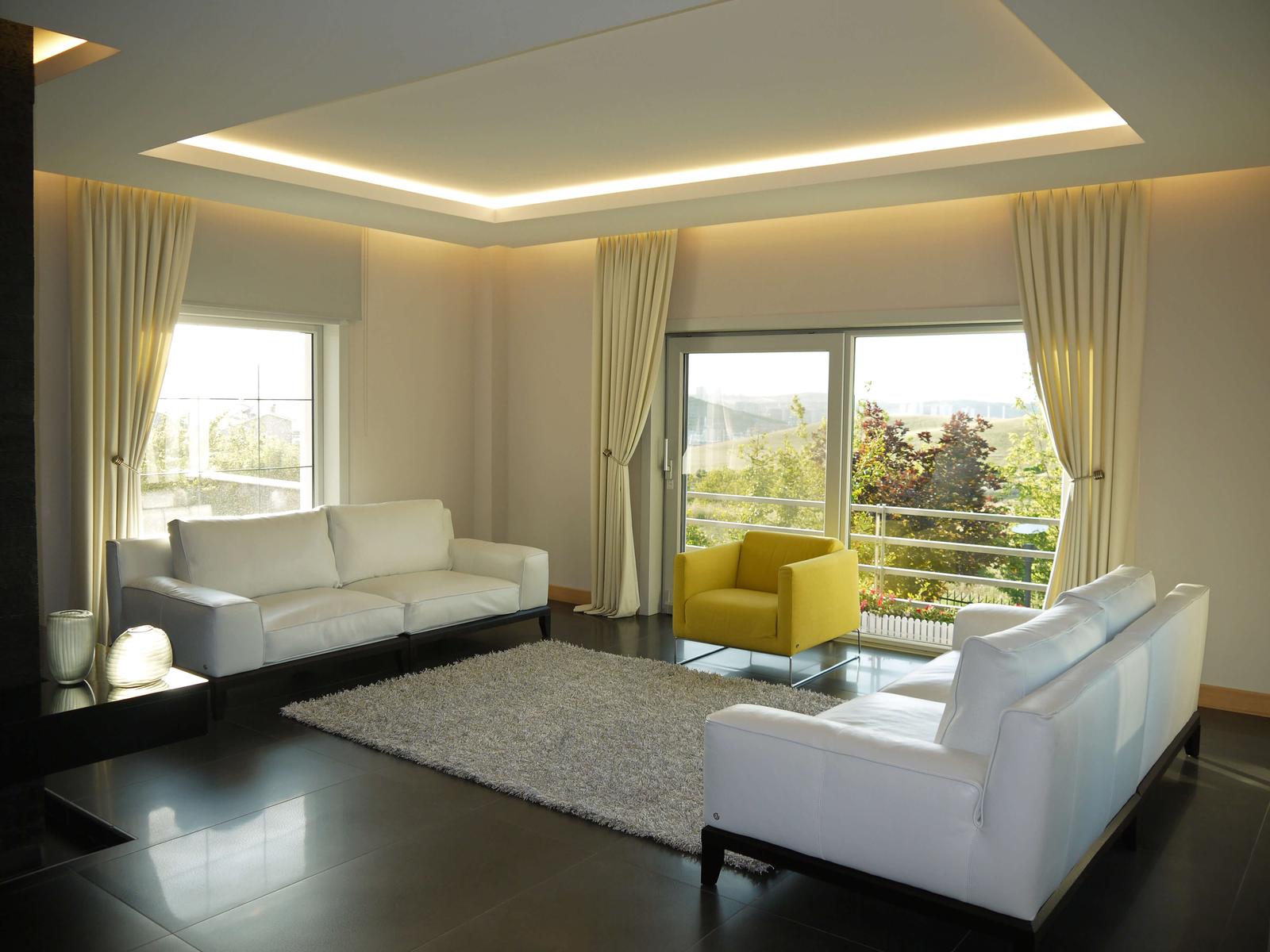
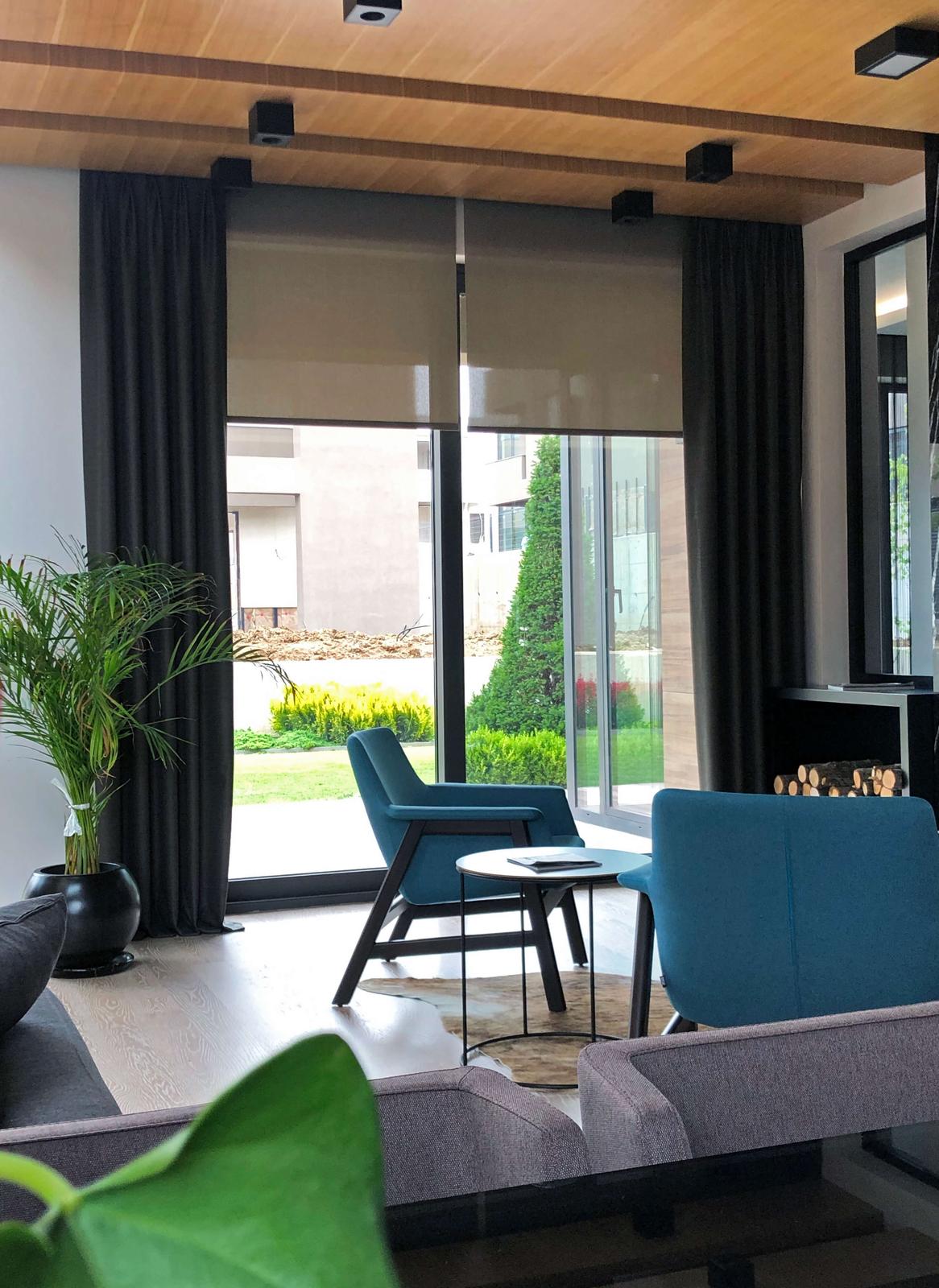
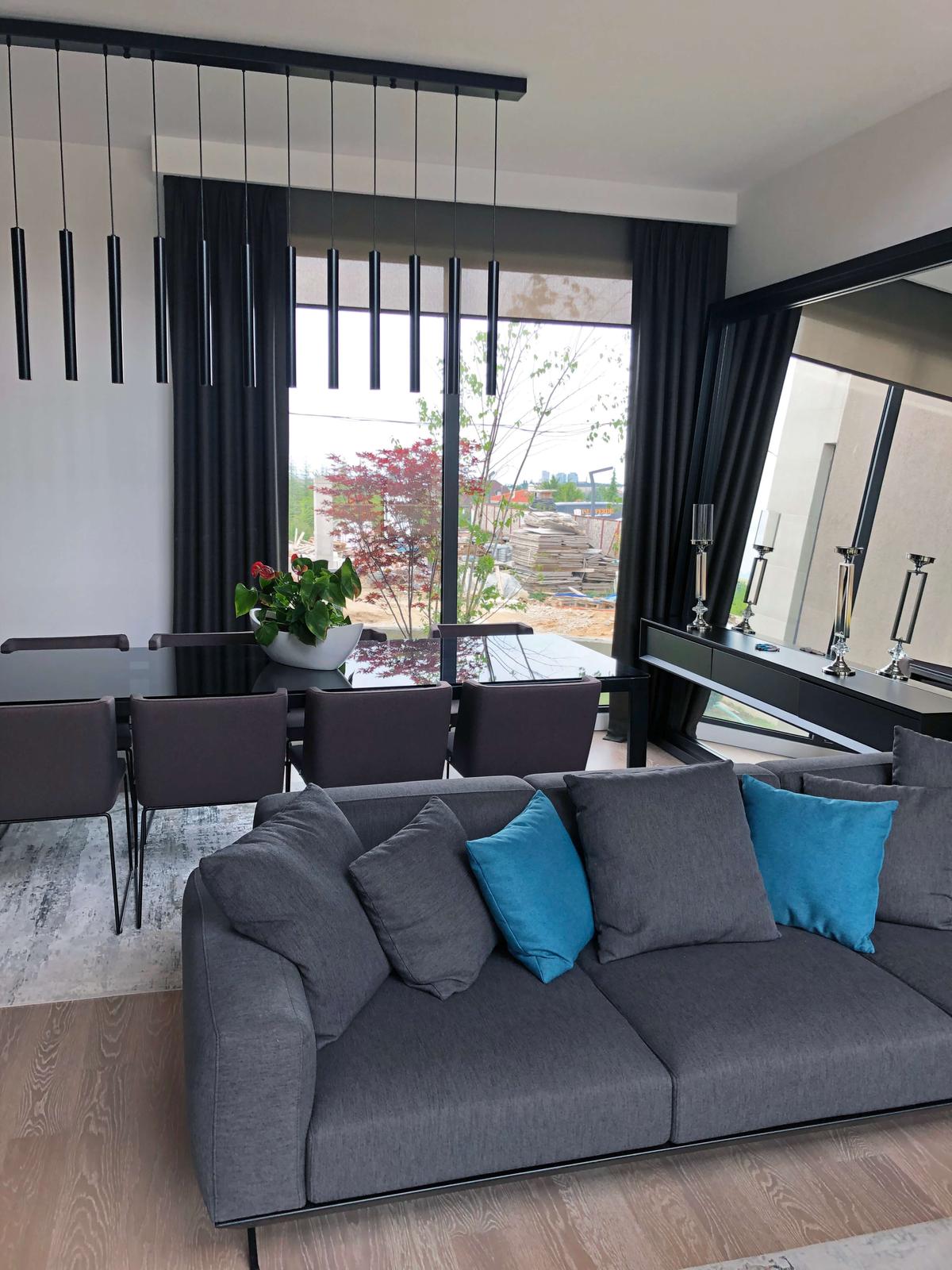
Running curtains from close to the ceiling down to the floor treats the wall height as a whole rather than framing the window alone. On wide glazing, the uninterrupted vertical line can make the proportions feel calmer and more balanced.
Allow for the finished hem, floor contact, radiators, skirting boards and opening sashes during the survey. Excess fabric left on the floor for appearance alone can make cleaning and everyday use more difficult.
Concealed tracks and a clean ceiling line
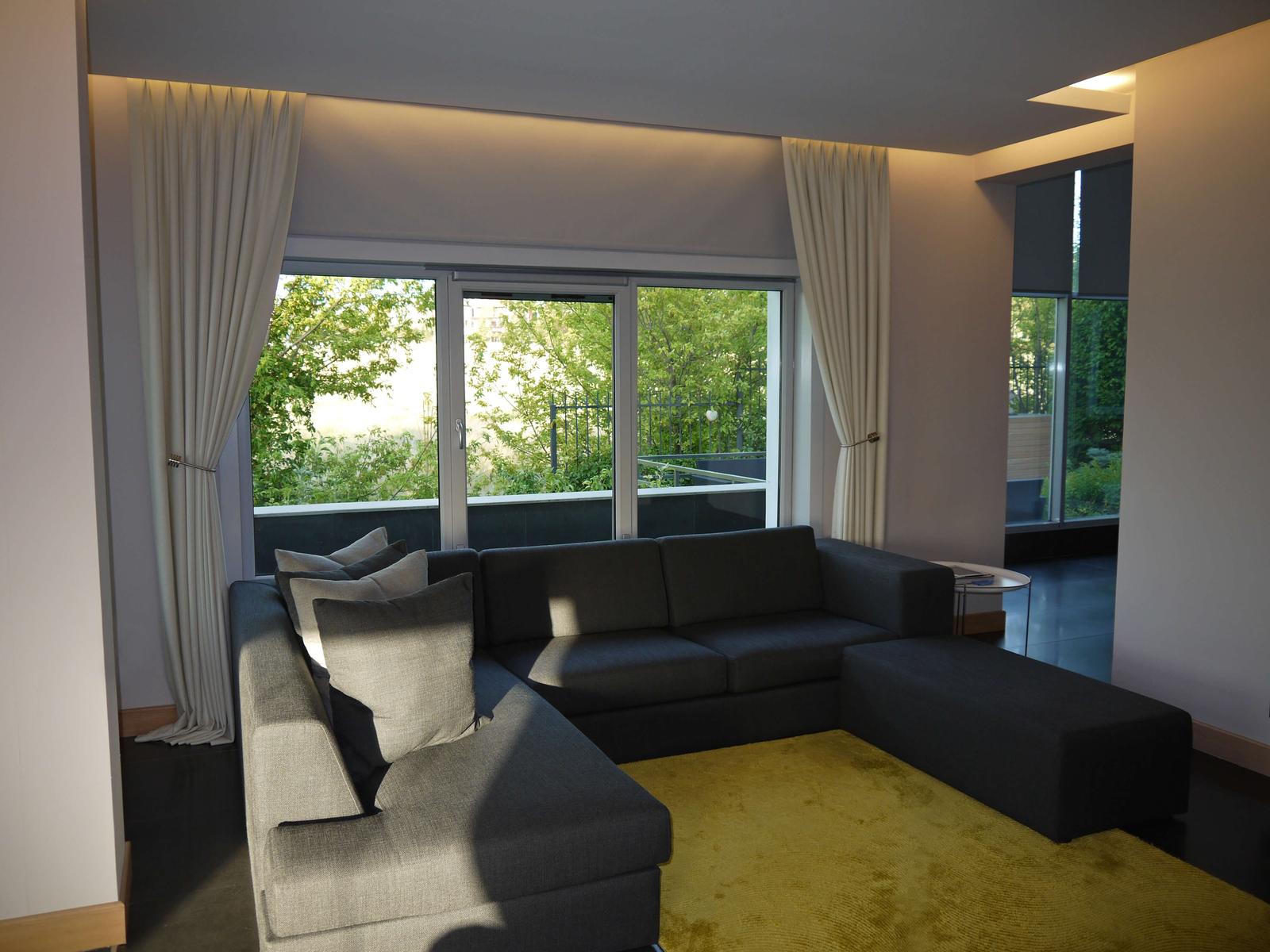
A concealed track, curtain pocket or close-to-ceiling installation can keep technical components in the background. A neat result depends on coordinating the track centreline, the depth of sheer and curtain layers, lighting clearances and stack-back.
Making this decision during building or ceiling work reduces later alterations. Select the track for fabric weight and use as well as appearance.
Motorised systems for large glazing
For wide, tall or difficult-to-reach openings, motorisation can help heavy curtains move consistently and under control. Timed or grouped operation may also support changing light and privacy needs through the day.
Confirm motor capacity, track length, curtain weight, power and any control protocol early in the project. Do not assume smart-home compatibility without checking the selected system.
Light, privacy and solar shading
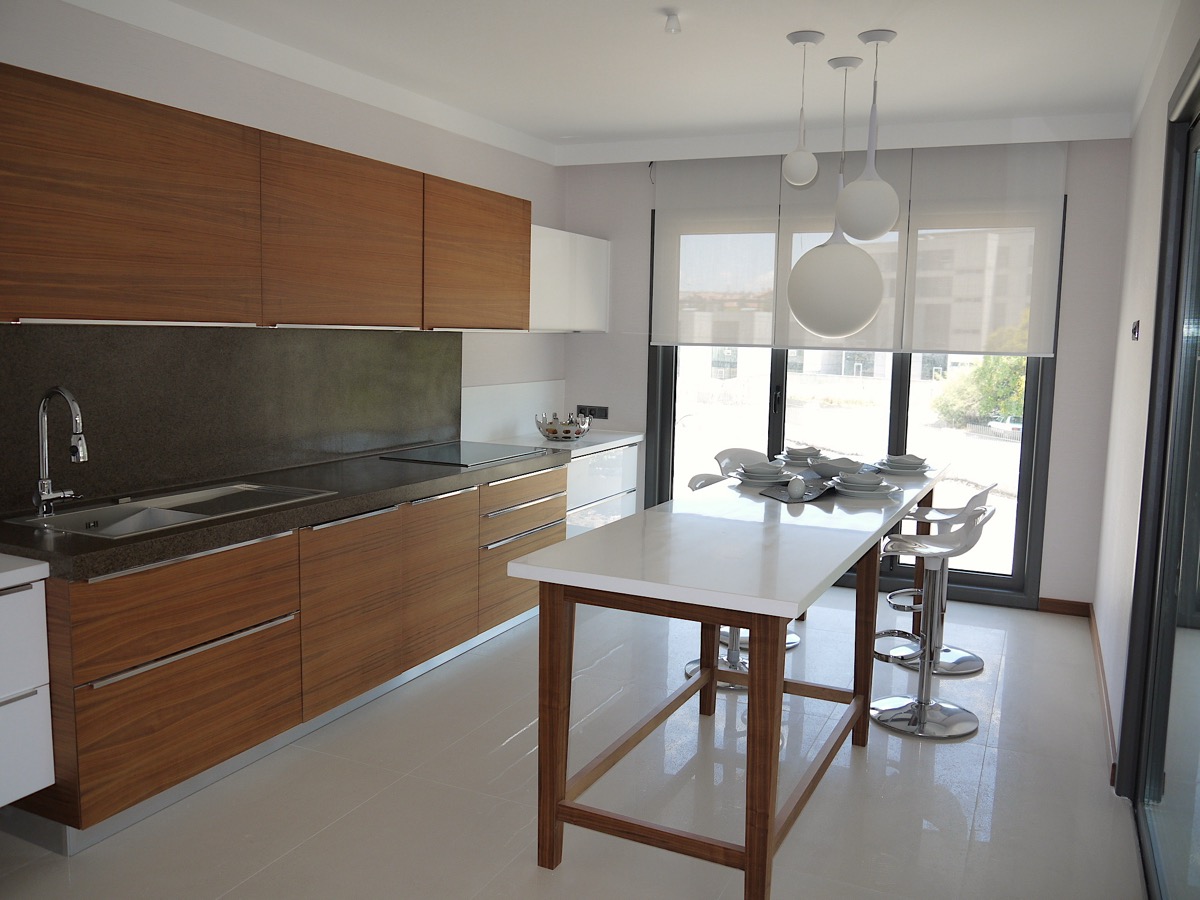
A successful scheme addresses daylight, the outlook, glare and direct sun as well as appearance. Sheers, blackout products, screen fabrics and external shading perform different tasks; one treatment will not meet every objective equally.
Build layers around the aspect, window geometry and hours of use. Treat screen openness, blackout edge gaps and privacy after dark as separate technical decisions.
Pattern, trim and decorative detail
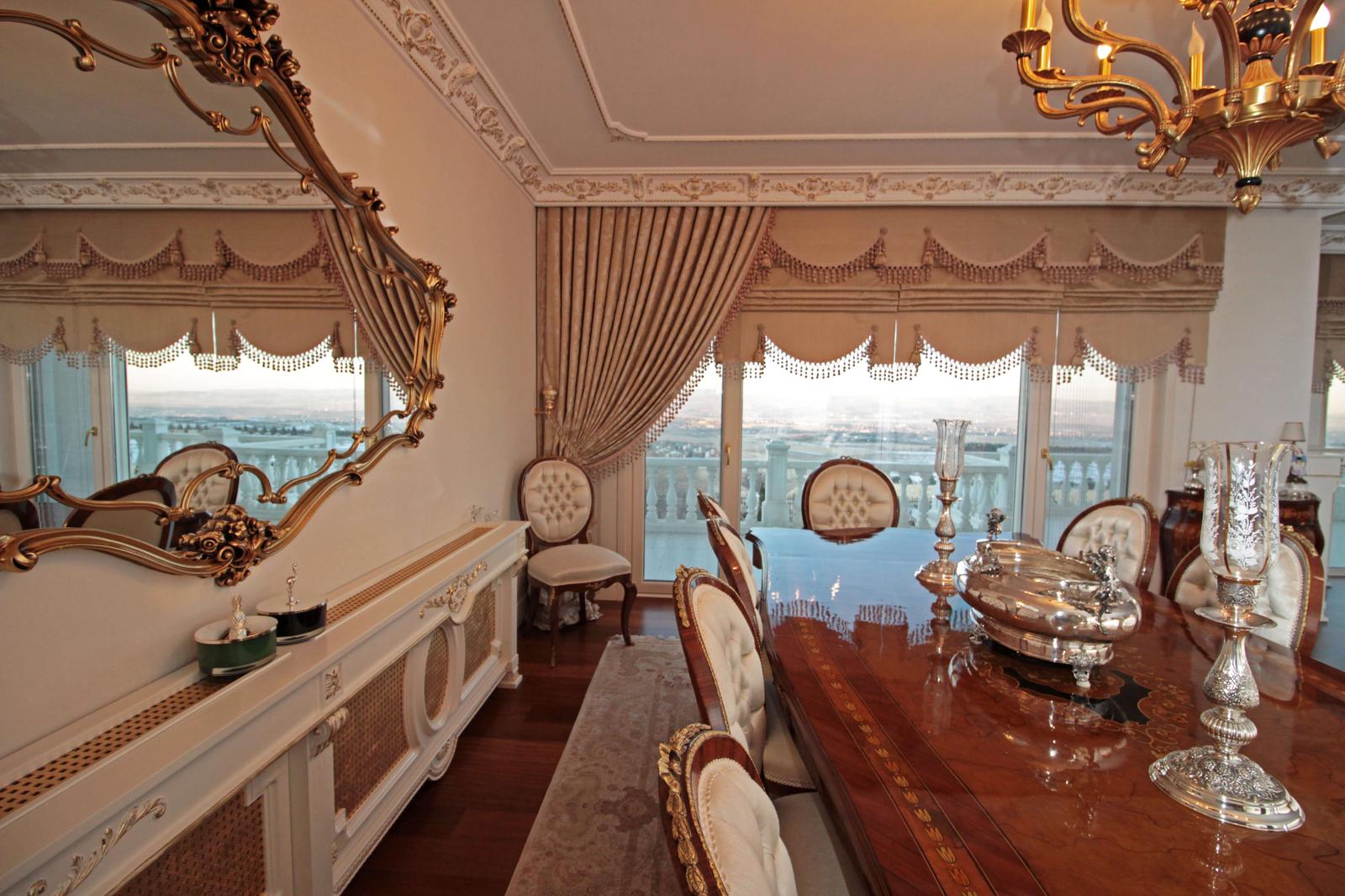
Pattern, borders, piping and tailored details can provide a measured accent within a simple scheme. Concentrating detail on an edge, band or focal area is often more controlled than spreading it across every surface.
Because folds interrupt a pattern repeat, review scale and placement at a realistic size. Decorative detail should support rather than compete with the furniture and architecture.
Considering curtains and upholstery together
Curtains and upholstery do not need to match exactly. A shared warm or cool undertone, related texture or balanced pattern scale can create a natural link between the two surfaces.
Curtains are assessed for light and drape; upholstery for wear, stains and care. Visual harmony should never erase these different performance requirements.
Separate short-lived fashion from lasting design
A fast-changing colour or motif is easier to use on cushions and accessories. For large, longer-lived curtain surfaces, architectural proportion, fabric behaviour, care and ease of operation are more durable criteria.
A good choice can acknowledge current directions without allowing them to override the room’s needs. It should continue to manage light, privacy and use after the immediate fashion has passed.
Choose an approach for the actual room
Start by defining light, privacy, window size, ceiling height and frequency of use. Compare texture, colour, heading and system with physical samples rather than relying on a screen image or a small swatch.
Showroom selection, an on-site survey and a clear fitting plan bring the design and technical solution together. The result is adapted to the room rather than copied from an image.
Quick selection guide
Take the next decisions in context
- Read the roomDefine light, scale, materials and day-to-day use together.
- View samples in placeCompare colour and texture in the room at different times of day.
- Plan the system earlyResolve tracks, pockets, motors and power before installation work begins.
Related solution